The Definition and Forms of Bullying in Schools
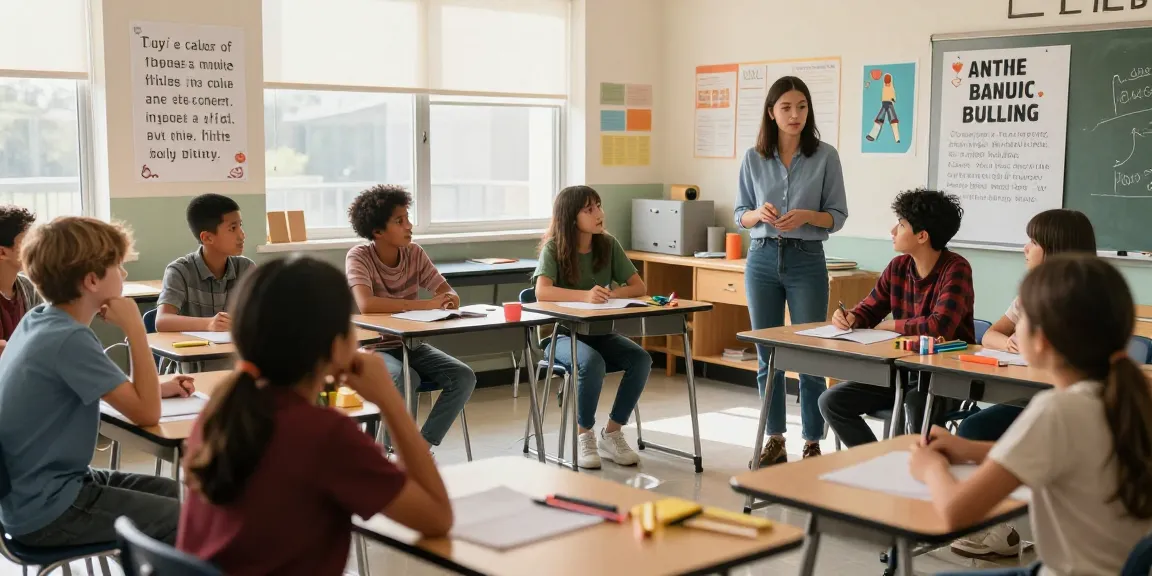
Bullying is an insidious behavior that manifests in various forms and settings, but its prevalence in schools presents unique challenges and ramifications. Defined as repeated aggressive behavior intended to harm another individual, bullying can take the form of physical violence, verbal harassment, social exclusion, and even cyberbullying. Understanding the multifaceted nature of bullying is crucial for developing effective interventions. As sociologists continue to study this pressing issue, it is evident that addressing The Negative Impact of Bullying in Schools requires a comprehensive approach by educators, parents, and students alike.
What Constitutes Bullying?
Bullying is characterized by an imbalance of power, which can be physical, social, or emotional. Victims of bullying often find themselves targeted due to factors such as their appearance, socio-economic status, or perceived differences. In essence, bullying comprises three critical elements: intention to harm, repetition, and a power differential between the bully and the victim. Understanding these elements is vital for recognizing and addressing bullying in schools.
Types of Bullying in Educational Settings
Bullying in schools can manifest in several distinct forms:
- Physical Bullying: Involves direct harm, such as hitting, pushing, or other forms of physical intimidation.
- Verbal Bullying: Includes name-calling, insults, or derogatory comments aimed at belittling the victim.
- Social Bullying: Entails the deliberate exclusion of a person from social groups or spreading rumors, aiming to damage their reputation.
- Cyberbullying: Takes place through digital platforms, involving harassment via texts, social media, or online gaming environments.
Understanding the Dynamics Between Victims and Bullies
To effectively combat bullying, it is essential to understand the psychological and social dynamics at play. Victims of bullying often develop feelings of helplessness and fear, leading to isolation and a decline in self-esteem. Bullies, conversely, often display aggressive tendencies rooted in their own insecurities or a desire for dominance. This cycle can perpetuate a toxic environment in schools, making it critical for educators to intervene early.
The Psychological Effects of Bullying on Students
The repercussions of bullying extend far beyond immediate physical impacts, significantly affecting the mental health of victims. The psychological ramifications can last long into adulthood, shaping personalities and behaviors.
Short-term Emotional Consequences
In the short term, victims of bullying frequently experience anxiety, depression, and feelings of worthlessness. These emotional disturbances can lead to withdrawal from friendships and extracurricular activities, ultimately resulting in a diminished quality of life. Such emotional turmoil often manifests in academic struggles, as victims may find it challenging to focus or engage in schoolwork.
Long-term Mental Health Issues
Victims of bullying are at a heightened risk for developing severe mental health issues, such as post-traumatic stress disorder (PTSD), anxiety disorders, and depression that may persist into adulthood. Research shows that many individuals who were bullied during their childhood express feelings of inadequacy, difficulties in forming relationships, and an increased likelihood of experiencing mental health crises later in life.
Impact on Academic Performance and Social Skills
Bullying can severely hinder academic performance, leading to lower grades and higher dropout rates. Victims may struggle with concentration and motivation, often fearing school as a source of torment. Consequently, social skills can also suffer, as bullied children may find it difficult to build healthy relationships, becoming anxious and withdrawn in social settings.
Workplace Bullying: Lessons Learned from Schools
While bullying is often discussed in the context of schools, its implications extend into the workplace, where similar dynamics can play out. Understanding the parallel between school bullying and workplace harassment can pave the way for effective prevention strategies.
Comparative Analysis of Bullying in Schools and Workplaces
Both school and workplace bullying share common characteristics, including a power imbalance and intentional harm. In the workplace, harassment can take the form of verbal abuse, exclusion from teams, and workplace sabotage, mirroring the tactics seen in school environments. Just as students may suffer from anxiety and decreased academic performance due to bullying, employees can experience stress, reduced job satisfaction, and diminished productivity.
Consequences of Allowing Bullying Culture to Persist
Failure to address bullying in schools can result in a culture of fear and intimidation that carries over into the workforce. This continuity can contribute to toxic corporate environments, leading to high turnover rates, decreased employee morale, and ultimately, financial losses for the organization.
Strategies for Prevention in Educational and Workplace Contexts
Preventing bullying, whether in schools or workplaces, requires proactive strategies. Institutions should foster a culture of respect and inclusivity, implementing policies that discourage harassment and promote awareness. This can include regular training sessions, anonymous reporting systems, and clear consequences for bullying behavior. Encouraging open communication between students, parents, and staff is essential for creating a supportive environment.
Societal Implications of Bullying
Bullying extends its reach beyond individual victims and perpetrators, significantly affecting societal dynamics as a whole. The normalization of bullying behaviors can create a culture of aggression and insensitivity within communities.
How Bullying Affects Community Dynamics
Communities with high incidences of bullying often experience a breakdown in social cohesion. Bullying breeds distrust and fear, reducing the likelihood of collaborative efforts aimed at community improvement. As bullying behavior is normalized, it can lead to an environment where aggression is tolerated, weakening communal support systems.
The Cycle of Violence and Its Societal Impact
The manifestation of bullying can perpetuate a cycle of violence, with victims often becoming perpetrators, contributing to a culture of hostility. This cycle not only harms individuals but has broad societal implications, fostering environments where violence and aggression are seen as acceptable forms of conflict resolution.
Future Trends in Bullying Research and Policies
As understanding of bullying evolves, future research is likely to focus on the role of technology in bullying behavior, particularly with the rise of cyberbullying. Policymakers are increasingly recognizing the need for comprehensive anti-bullying policies that reflect the changing landscape of harassment, emphasizing prevention and intervention rather than mere punishment.
Practical Strategies for Prevention and Intervention
Developing effective strategies for preventing and addressing bullying requires collaboration from various stakeholders, including schools, parents, and the community at large. Here are several actionable strategies that can be implemented:
Creating an Inclusive School Environment
Inclusive school environments foster empathy and respect among students. Educators can promote inclusive practices by integrating social-emotional learning into the curriculum, encouraging students to value differences and challenge stereotypes.
Engaging Parents and Communities in Prevention Efforts
Parents play a critical role in preventing bullying. Schools can engage parents by organizing workshops that educate them about the signs of bullying and the importance of open communication with their children. Partnering with local organizations can enhance community involvement in anti-bullying initiatives.
Implementing Effective Anti-Bullying Programs
Research indicates that comprehensive anti-bullying programs that include policy development, training for teachers, and student-led initiatives can significantly reduce bullying incidents. Such programs should focus on creating safe environments where students feel empowered to report bullying.
What Can Students Do to Support Each Other?
Students themselves can play a vital role in combating bullying by forming peer support groups, promoting kindness, and standing against bullying behavior. Encouraging students to lead initiatives that celebrate diversity and inclusion can create a positive school culture.
What are the signs that someone is being bullied?
Common signs of bullying include unexplained injuries, changes in eating habits, declining grades, withdrawal from social activities, and emotional distress. It’s crucial for teachers and peers to recognize these signs and provide support to victims.
How can parents contribute to preventing bullying?
Parents can prevent bullying by maintaining open communication with their children, discussing the importance of empathy, and supporting initiatives that promote inclusivity within the school environment. Monitoring their children’s online activities is also essential in the digital age.
What should teachers do when they witness bullying?
Teachers should intervene immediately when witnessing bullying. It is essential to document incidents and report them according to school policies, while also providing support to the victim. Creating a safe space for students to discuss their experiences is equally important.
Are there effective programs in schools that address bullying?
Numerous schools have adopted evidence-based anti-bullying programs that include awareness campaigns, peer mediation, and restorative justice practices. These programs have shown promising results in reducing bullying incidents and improving school climate.
What role does social media play in bullying today?
Social media significantly impacts modern bullying dynamics, as it provides a platform for cyberbullying. Awareness programs focusing on digital citizenship and responsible online behavior are crucial in combating this form of bullying, encouraging students to think critically about their online interactions.
In conclusion, bullying is a complex issue with profound implications for individuals and society. By understanding its causes and consequences, we can develop more effective strategies for prevention and intervention. Addressing bullying is not just a responsibility of schools but a collective societal challenge that requires active participation from all members of the community, ensuring a safer, more empathetic environment for future generations.